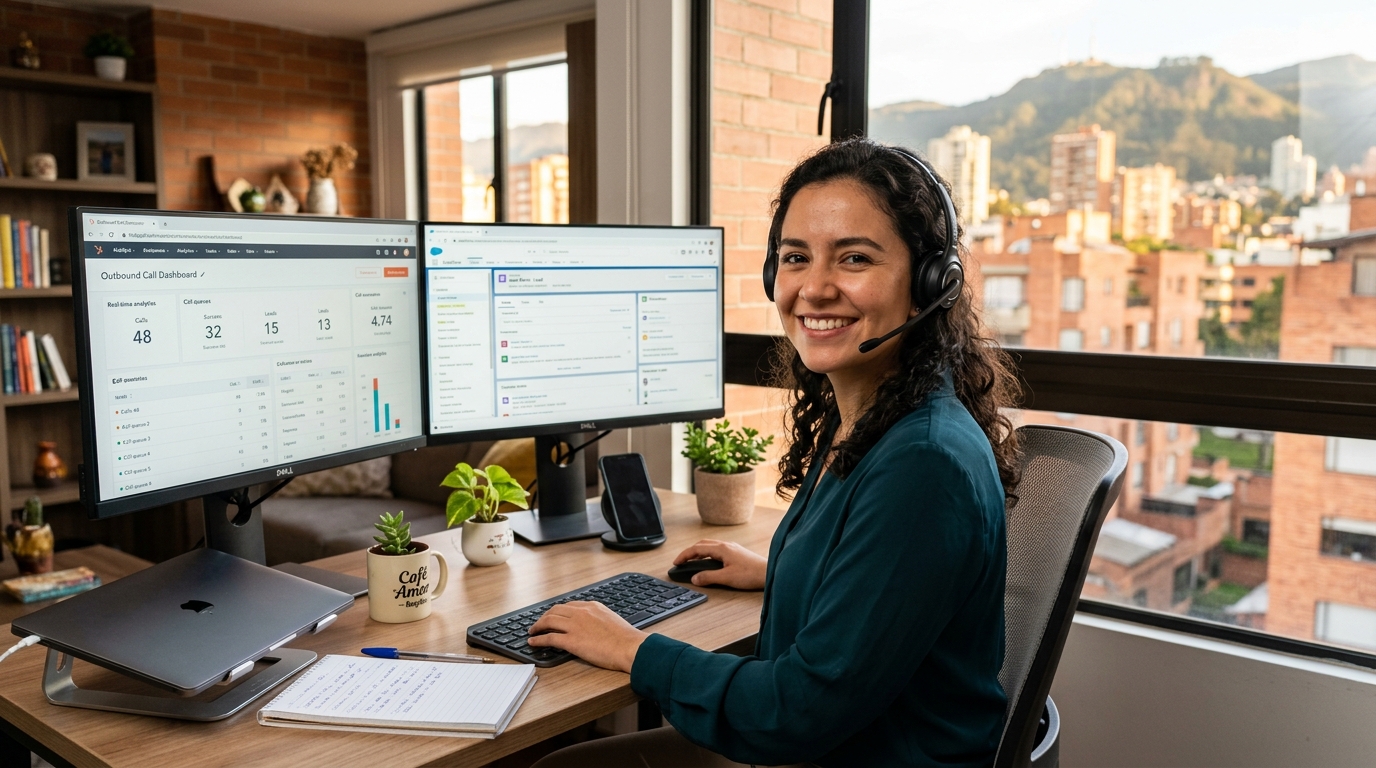
Why More Sales Teams Are Moving to Hire Virtual SDR in 2026
The math on in-house SDR hiring has always been brutal — and in 2026, the alternative is clearer than ever. Nearshore virtual SDRs, based in Latin America and working US business hours with fluent English, have become the dominant model for North American B2B teams that need real-time outbound coverage without the $80K overhead of a domestic hire. If you haven't explored this model yet, you're likely overpaying for the same output.
Base salary, benefits, payroll tax, recruiting fees, a desk, a laptop, and three months of ramp time — a US in-house SDR easily runs $80,000–$100,000 annually before that rep books their first qualified meeting. And the average SDR tenure is just 14 months, according to Bridge Group's SDR Metrics Report (2023), meaning you restart that cycle constantly.
A virtual SDR is a full-time, dedicated sales development representative who works remotely, sourced through a staffing agency or freelance platform. They handle outbound prospecting, cold calling, email sequences, LinkedIn outreach, and CRM hygiene — just not from a seat in your office. The critical variable is where that person is based and whether their working hours actually overlap with your prospects' availability.
How Much Does It Cost to Hire a Virtual SDR in 2026?
When buyers search "hire virtual SDR salary" or ask "how much do virtual assistants charge per hour?" they usually get a surface-level answer: $8–$25/hour offshore, $25–$50/hour domestic. That hourly framing hides the real cost picture.
A freelance SDR at $12/hour sounds cheap — until you factor in the recruiter time to vet candidates (5–10 hours), the tools you have to provision yourself (CRM seat, dialer, email platform — easily $200–$400/month), the management overhead of tracking hours and output, and the replacement cost when they churn. The hidden costs routinely double the apparent hourly rate.
At Rose Talent Solutions, the model is a $2,500/month flat rate — full-time (40 hours/week), all-in. Recruiting, vetting, payroll, HR, and ongoing management are included. That works out to roughly $15.60/hour fully loaded for a nearshore SDR who's English-proficient (8/10+ on Rose's proficiency screens), CRM-trained, and working your time zone. No long-term contract. If the team member isn't a fit, Rose replaces them at no additional cost.
For context: US SDR base salaries averaged $52,000 in 2024, according to the Bureau of Labor Statistics (2024) — and that excludes benefits, employer taxes (roughly 8–12% on top), equipment, and software. A nearshore virtual SDR at $2,500/month is $30,000/year. The budget delta is real and significant.
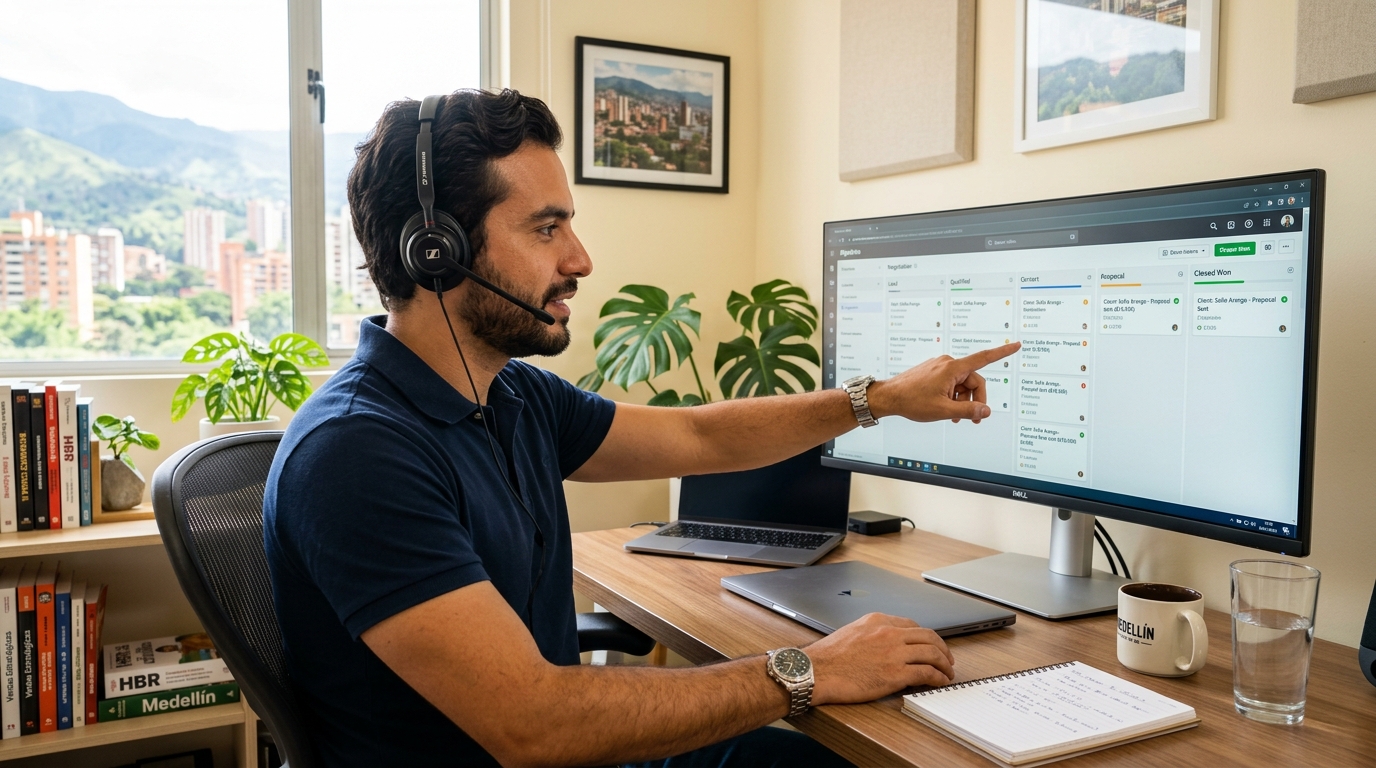
How to Vet a Virtual SDR Before You Hire: Red Flags and Quality Signals
Most virtual SDR hiring mistakes happen at the vetting stage. Companies treat it like a junior admin hire — a 30-minute Zoom, a gut check, done. SDR work is high-stakes: this person is the first voice a prospect hears from your brand. Weak vetting means a weak pipeline and eventually a wasted quarter.
These are the quality signals that actually predict SDR performance:
- Live cold call simulation: Ask them to cold-call you using a script you provide. Listen for pace, objection handling, and composure under pushback — not just whether they sound "nice."
- CRM proficiency test: Share a screen-share exercise in your actual CRM (HubSpot, Salesforce, Pipedrive). Can they log a call, update a contact record, and set a follow-up task in under 3 minutes?
- Written prospecting sample: Give them a target company and ask for a personalized cold email subject line and opening line. Generic output is a red flag; research-backed personalization is a green light.
- English fluency score: Use a structured rubric, not a vibe. Rose screens for 8/10+ on English proficiency — vocabulary range, pronunciation clarity, and comprehension under natural speech speed.
- Quota history and metrics: Ask for specific numbers. What was their monthly connect-to-meeting conversion rate? How many dials per day? SDRs who can't quote their own metrics haven't been held accountable.
Red flags to disqualify quickly: candidates who pivot every objection to "let me check with my manager," who can't describe a specific CRM workflow from memory, or whose written English samples show heavy reliance on translation tools without reviewing for naturalness.
The single most predictive vetting test for a virtual SDR is a live cold-call roleplay, not a resume review. A candidate who confidently handles a "we already have a vendor" objection on the spot will outperform a polished resume every time.
Human Virtual SDR vs AI SDR Tools in 2026: Which Should You Hire?
This question is everywhere in 2026. Tools like Piper SDR Agent (by Qualified) and other Outbound AI SDR platforms promise to automate prospecting entirely — no salary, no onboarding, 24/7 coverage. Qualified AI SDR reviews across Reddit and G2 show genuine traction for top-of-funnel email volume, but consistent complaints about conversation quality and pipeline inflation once human reps take over.
Here's an honest comparison of your four main options:
| Option | Monthly Cost | Time Zone Fit | Ramp Time | Conversation Quality | Best For |
|---|---|---|---|---|---|
| Nearshore Virtual SDR (Latin America, e.g., Rose Talent) | ~$2,500 flat | Excellent — US hours | 1–2 weeks | High — fluent English, real empathy | Full-cycle outbound, complex sales, relationship-driven pipelines |
| Offshore Virtual SDR (distant time zones) | $800–$1,800 | Poor — 8–12 hr gap | 3–6 weeks | Moderate — timing friction and follow-up delays common | High-volume, low-complexity outreach with delayed follow-up tolerance |
| US In-House SDR | $5,500–$8,500+ | Perfect | 2–4 months | Very high — but high turnover | Enterprise accounts, in-person culture-driven teams |
| AI SDR Tool (Piper, Qualified, etc.) | $1,500–$5,000+ | 24/7 coverage | Days (setup) | Low — robotic, high unsubscribe rates | Top-of-funnel email volume, inbound routing, lead scoring |
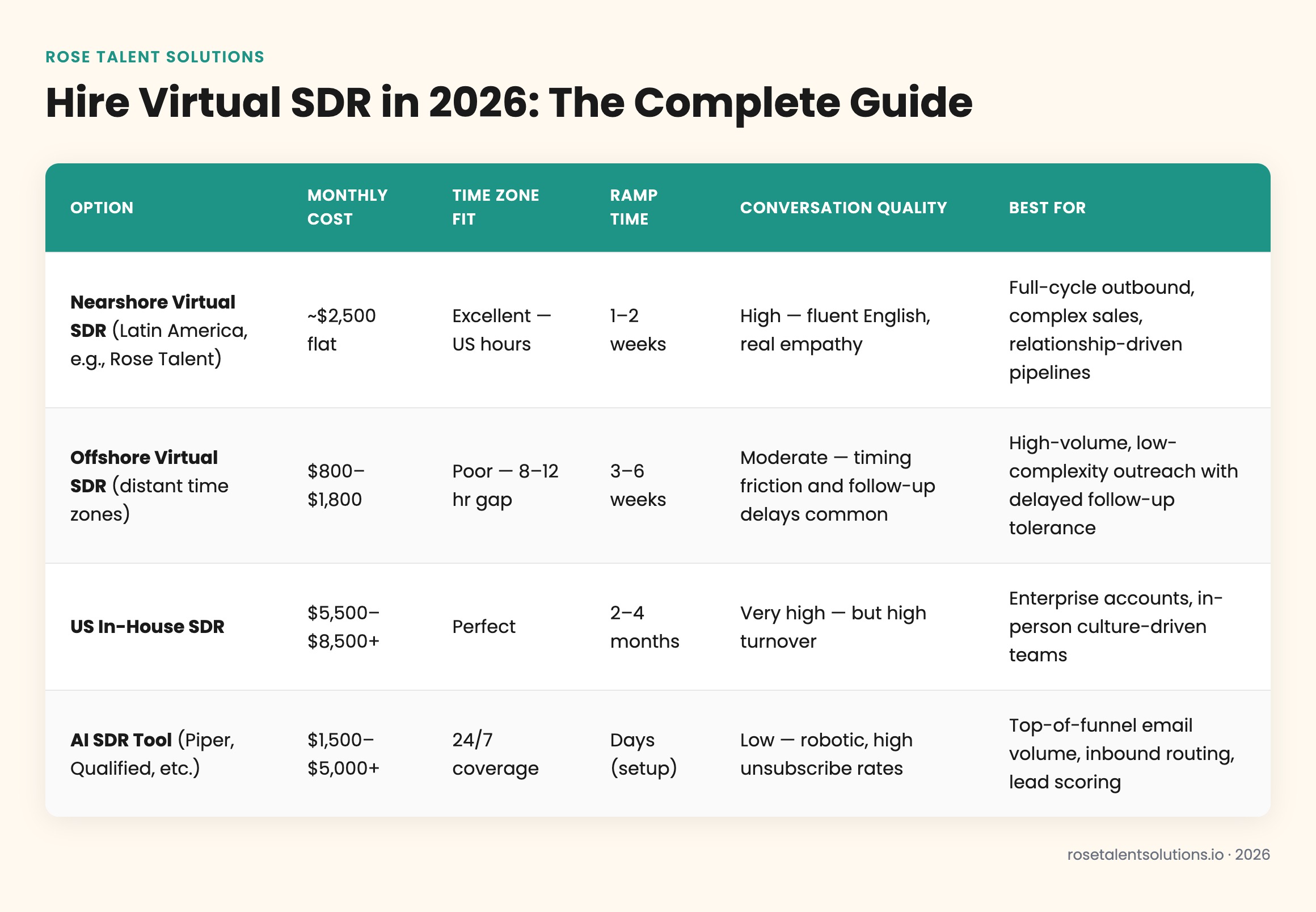
The takeaway from Qualified AI SDR reviews on Reddit threads like r/sales and r/leadgeneration is consistent: AI SDR tools are not replacements for human SDRs in 2026 — they're force multipliers. The winning playbook pairs an AI tool (for sequencing and intent signal monitoring) with a human nearshore SDR (for live calls, personalized follow-up, and relationship development). That hybrid stack gives you volume and quality without doubling headcount.
How to Onboard a Virtual SDR and Cut Ramp Time in Half in 2026
The fastest way to waste a great SDR hire is a weak onboarding. Most teams hand over a Google Drive folder and expect productivity in week two. A well-structured 30-day onboarding gets a nearshore SDR to full output in 10–14 days instead of the typical 30–45. Here's the sequence that works:
Days 1–3: Systems and Context
Provision CRM access, dialer, and email tools on day one. Schedule a 2-hour brand and ICP (ideal customer profile) briefing — recorded, so the SDR can re-watch. Walk through your current pipeline live, not a slide deck.
Days 4–7: Shadow and Script
Have the SDR shadow two to three existing sales calls before making their own. Finalize cold call scripts and email sequences together — SDRs who co-author scripts internalize them faster and handle objections more naturally.
Days 8–14: Live Calls with Daily Debrief
SDR goes live on outbound with a 15-minute daily debrief for the first two weeks. Review three calls per session: what landed, what didn't, what to adjust. Most reps plateau without this feedback loop.
Days 15–30: KPI Dashboard and Autonomy
Stand up a shared KPI dashboard (dials, connects, meetings booked, show rate). Move debriefs to weekly. The SDR owns their number — you review it, not manage it. This is when leverage starts.
Rose's AI copilot advantage accelerates this further. Every team member placed through Rose ships with a role-specific AI copilot trained on the tools your team already uses — HubSpot, Salesforce, Apollo, or whichever outbound stack you're running. That means your virtual SDR isn't Googling how to log a sequence on day four; they're executing from hour one.
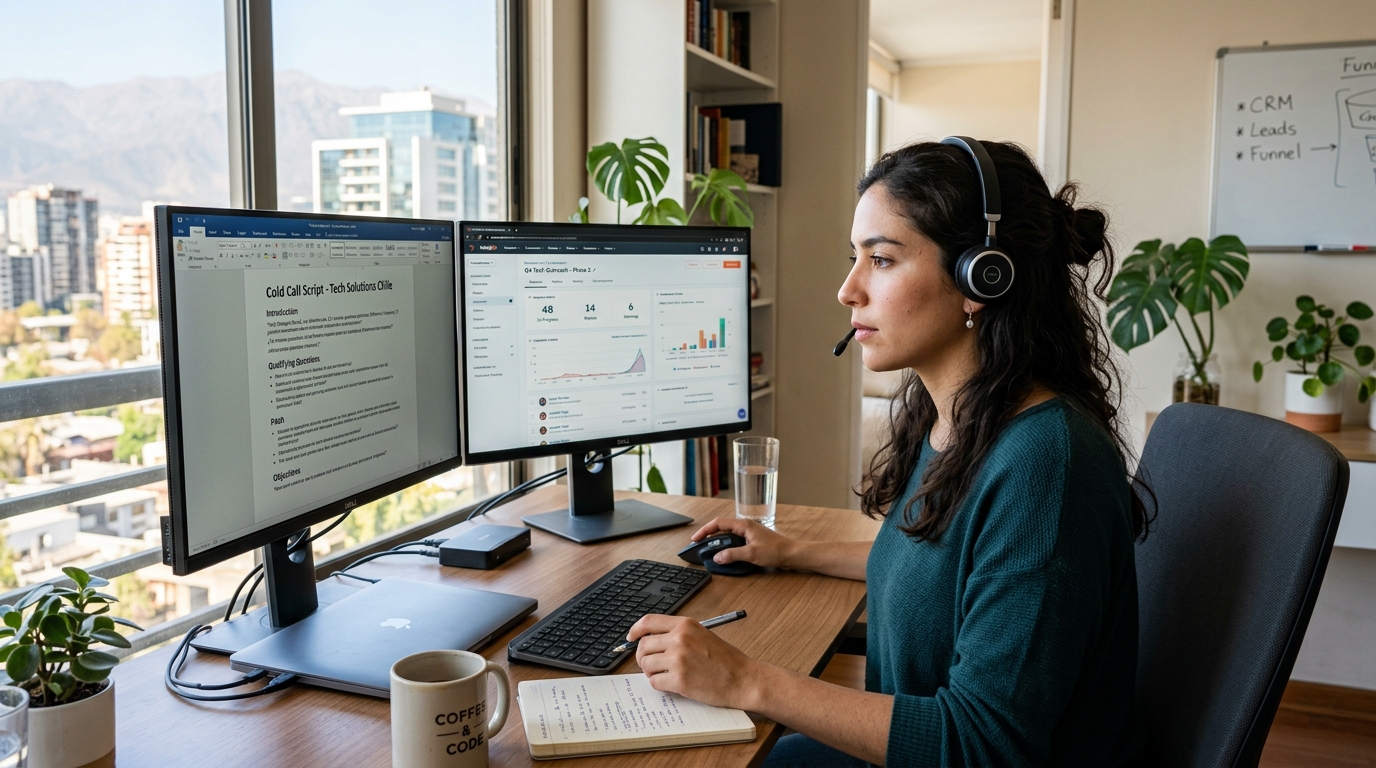
How to Measure Virtual SDR Performance: KPIs That Actually Matter
The most common mistake after hiring a virtual SDR is measuring the wrong things. Dials per day is a vanity metric if your connect rate is 2%. Here are the five KPIs that give you a real picture of SDR output:
- Connect rate: Percentage of dials that reach a live human. Industry benchmark is 6–10%, according to Bridge Group (2023). Below 5% signals a bad list, not necessarily a bad rep.
- Meeting booking rate: Percentage of connects that convert to a booked meeting. 20–30% is solid for a warmed list; 10–15% is realistic for cold outbound.
- Meeting show rate: Of meetings booked, how many actually show. Below 70% often means the SDR is booking unqualified leads to hit a number.
- Pipeline sourced ($): Total deal value of opportunities the SDR opened. This ties SDR activity directly to revenue — the metric sales leaders actually care about.
- Sequence reply rate: For email outreach, the percentage of prospects replying to any message in a sequence. Benchmark is 5–10% for cold sequences, per Salesloft's Email Benchmarks report (2024).
Build a shared Google Sheet or Notion dashboard your virtual SDR updates daily. Async accountability — where the rep logs their own numbers — is more sustainable than micromanagement via Slack, and it builds the ownership mindset that separates high performers from order-takers.
Meeting show rate is the single most overlooked SDR KPI. A rep booking 30 meetings a month with a 50% show rate is underperforming a rep booking 20 meetings with an 85% show rate — in both pipeline quality and sales team trust.
If you're running a property management or real estate operation and want a virtual team member who handles more than outbound SDR work, Rose also places specialists in property management support and bookkeeping and accounting — roles that often pair with an SDR to form a lean, full-coverage remote team.
Is SDR the Hardest Sales Job — and Does Going Virtual Change That?
The question "Is SDR the hardest sales job?" gets asked constantly, and the honest answer is: it depends on what you find hard. SDR work is high-volume, high-rejection, and low-autonomy — you're executing a process someone else designed, against a quota set by someone else, calling people who didn't ask to hear from you. Gallup's workplace research (2023) consistently shows that high-activity, low-autonomy roles have the steepest burnout curves.
For virtual SDRs, the difficulty profile shifts slightly. The rejection volume is the same. But the isolation of remote work adds a layer — there's no floor energy, no teammate to debrief with after a brutal hour of no-answers. This is why the onboarding structure and daily debrief rhythm described above aren't optional niceties — they're retention tools. Virtual SDRs who feel connected to a team and see their metrics improving stick around. Those who feel like they're cold-calling into a void churn in 60 days.
Nearshore Latin America SDR: Strengths
- Real conversation — handles complex objections, reads tone, builds rapport
- Works US business hours — available for same-day follow-up and live handoffs
- English-fluent (8/10+ screened) — no friction on discovery calls
- Learns your product deeply — improves conversation quality over time
- Lower churn risk vs distant-timezone offshore when managed well
Nearshore Latin America SDR: Limitations
- Needs structured onboarding — doesn't self-ramp without a playbook
- Performance tied to management quality — KPI dashboards are non-optional
- Can't operate 24/7 — evenings and weekends require AI tool coverage
- One person = one channel at a time — not designed for mass email volume alone
Reddit threads on "hire virtual SDR reddit" consistently surface one insight from founders who've tried both human and AI SDRs: the reps who succeed long-term are the ones whose managers treat the role as real, not disposable. Clear expectations, real feedback, and a transparent KPI structure are the management inputs that determine whether your virtual SDR investment compounds or collapses.
For teams asking whether a virtual SDR can realistically contribute to $10,000/month in personal earnings as a contractor — the answer is yes, particularly for experienced nearshore reps working multiple clients or earning performance bonuses. The ceiling is determined by quota attainment and the bonus structure the client offers, not geography.
Ready to see how Rose's AI-equipped nearshore SDRs fit your outbound stack? The placement process starts with a single call and moves to a matched candidate within days — no long-term contract required.